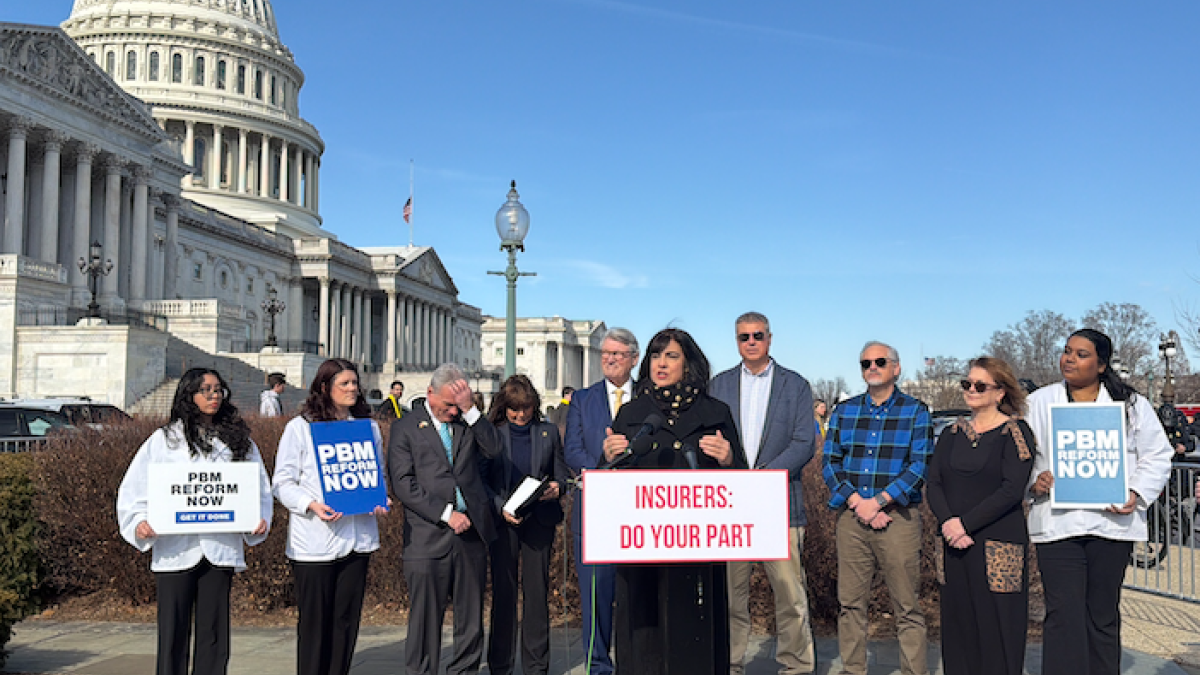
(WASHINGTON, D.C.) — Congresswoman Nicole Malliotakis (NY-11) applauded the House passage of the bipartisan Consolidated Appropriations Act of 2026, the final appropriations package needed to responsibly fund the federal government for Fiscal Year 2026, which includes reforms she long-advocated for to rein in pharmacy benefit managers (PBMs) and lower prescription drug costs. Since taking office, Congresswoman Malliotakis has been a vocal advocate for reining in predatory pharmacy benefit managers (PBMs), and reforms from legislation she sponsored are included in this appropriations package. She has hosted roundtables, held press conferences, and has written an op-ed highlighting the urgent need for PBM reform. This will have a positive impact on lowering drug prices especially for all Americans, especially for seniors who receive their drug coverage on Medicare. These reforms will help bring down the price of medications for high blood pressure, high cholesterol, diabetes, heart disease, pain management, and mental health conditions. The reforms included would remove a perverse incentive that ties the price of a drug to PBM profits and instead require a flat fee in Medicare, which has driven up prescription drug prices. It also requires all drug rebates and discounts to be passed directly back to employers and their workers, strengthen patient access to local and independent pharmacies, and increase transparency so employers and consumers can better understand how drug pricing decisions are made. Together, these reforms hold PBMs accountable, protect small pharmacies, and help lower prescription drug costs for patients and families. “Today, the House took bipartisan action to responsibly fund the remaining agencies of the federal government and crack down on the exploitative pricing tactics of pharmacy benefit managers—taking a major step toward real reform of a system that has driven prescription drug prices to record levels,” said Rep. Nicole Malliotakis. “PBMs' exploitative practices have left patients with skyrocketing prescription drug costs and have driven many independently owned ‘Mom & Pop’ pharmacies out of business throughout the country. Today, Congress has taken the necessary action to ensure these predatory practices through insurance companies are finally reined in so we can continue our work to drive down costs for patients.” PBM Reforms Included: Sec. 6224. Delinking PBM Compensation from Drug Prices (Medicare Part D) This section restructures how pharmacy benefit managers (PBMs) are compensated in Medicare Part D by prohibiting compensation arrangements that are tied to the list price of drugs. Instead, PBM payments would be required to reflect flat fees or other price-neutral arrangements. This also establishes new transparency requirements in PBM-plan contracts, including standardized definitions, enhanced reporting to plan sponsors, and audit rights. Sec. 6702. Full Rebate Pass-Through for Employers This provision mandates that PBMs remit 100 percent of all rebates, price concessions, and other remuneration received from manufacturers to the employer or sponsor of a group health plan. PBMs may still negotiate a separate flat administrative fee with the plan, but it cannot retain any portion of the manufacturer rebates. Plan fiduciaries are protected from liability if they unknowingly failed to comply because of a PBM’s failure to remit, provided they took reasonable steps to verify compliance and notified the Secretary of Labor upon discovery of the failure. Sec. 6223. Pharmacy Access and Choice This will strengthen beneficiary access to pharmacies by reinforcing “any willing pharmacy” principles in Medicare Part D. This would codify the existing regulatory requirement that PBM and plan contract terms be “reasonable and relevant,” with CMS directed to set standards to ensure pharmacy participation in Part D pharmacy networks is not restricted through contract design. These provisions are intended to improve access for beneficiaries and address concerns raised by independent pharmacies. Sec. 6701. PBM Reporting to Group Health Plan Sponsors This requires PBMs to provide detailed, semi-annual reports to sponsors of group health plans (employers and other plan administrators) that detail rebates, fees, and alternative discounts received by the PBM from drug manufacturers for each drug on the plan’s formulary, spread pricing arrangements, and rationale when higher-cost drugs are listed on formularies over lower-cost alternatives. |